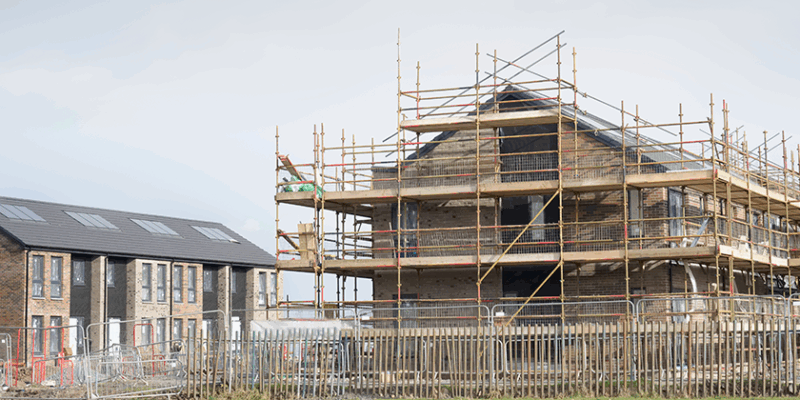
Embodied carbon is the total greenhouse gas emissions associated with constructing, refurbishing, operating and demolishing a built asset. It includes emissions arising from demolition, material production, transport and energy use across the development process.
While embodied carbon is not yet comprehensively regulated in construction, pressure to address it is increasing as part of the wider transition to net zero. The more immediate issue for the market is commercial rather than political: how these obligations will be defined, priced and allocated in the next generation of construction contracts.
Why Embodied Carbon Matters Contractually
Sustainability obligations are not new to the construction sector. Designers already assess embodied carbon to inform strategic decisions, including whether existing assets should be retained, adapted or demolished. What is changing is that embodied carbon is moving from a design and procurement consideration into the contractual framework itself. Once targets become binding obligations rather than statements of intent, they create measurable delivery risk and potential liability.
That shift is already visible in contract drafting. NEC4 Option X29, a contractual clause designed to integrate climate change obligations into project delivery, is one example of the industry starting to incorporate climate obligations directly into the contractual machinery, rather than treating them as peripheral policy commitments.
Allocating Carbon Risk in Construction Contracts
Construction professionals are familiar with programming, change control and the allocation of delay and disruption risk. They understand which events trigger adjustment, which party bears the associated consequences and how those are managed through the contract.
There is, however, less familiarity with provisions such as NEC4 Option X29. Under that approach, climate change requirements are defined through the scope, supported by a climate change plan and monitored through early warning procedures if delivery is at risk. Although collaboration is required across the project team, the contractor is likely to carry significant performance pressure. That will sharpen negotiations around how targets are measured, who is responsible for underlying data, and what contractual consequences follow if targets are missed.
The issue is more pressing by the gap between policy and practice. In Scotland, embodied carbon remains largely unregulated, although public-sector standards and wider net-zero policy are pushing the market towards more disciplined measurement and disclosure. The proposed Part Z framework, an industry-backed proposal to introduce mandatory whole-life carbon assessments and limits, has also kept pressure on the sector by advancing debate around mandatory whole-life carbon assessment and, in time, carbon limits, even if it has not yet evolved into binding law.
At the same time, industry reporting suggests embodied carbon is proving harder to reduce than operational emissions, reinforcing the case for earlier intervention at the design, procurement and contracting stage. This creates a live debate for the market. Some will argue that binding carbon obligations are necessary to drive meaningful change; others will point to data immaturity, inconsistent methodologies and the risk of introducing poorly defined obligations into already stretched project delivery models.
For clients, contractors and consultants, the immediate challenge is not to predict precisely where regulation will land, but to decide how much carbon risk should be addressed now through drafting, pricing and project controls. This requires more than broad sustainability wording. It needs careful thought around scope, baselines, measurement standards, verification, relief events and remedy.
Projects that manage this well are likely to treat embodied carbon as a core contractual issue rather than a peripheral ESG aspiration. In that sense, its significance is not simply environmental. It is that it is beginning to reshape how risk is defined, negotiated and managed across the construction lifecycle.
*Originally featured in The Scotsman on 1 June 2026: View Article